Skip to content
Siavash Karamiسیاوش کرمی

Iranian Classical Music · Performance · Teaching

Siavash Karami

Setar Performer · Music Educator · Researcher in Iranian Music

I began studying Iranian classical music on the setar in 1996. My work today is grounded in around three decades of performance, more than twenty years of teaching, and research on the Iranian radif.

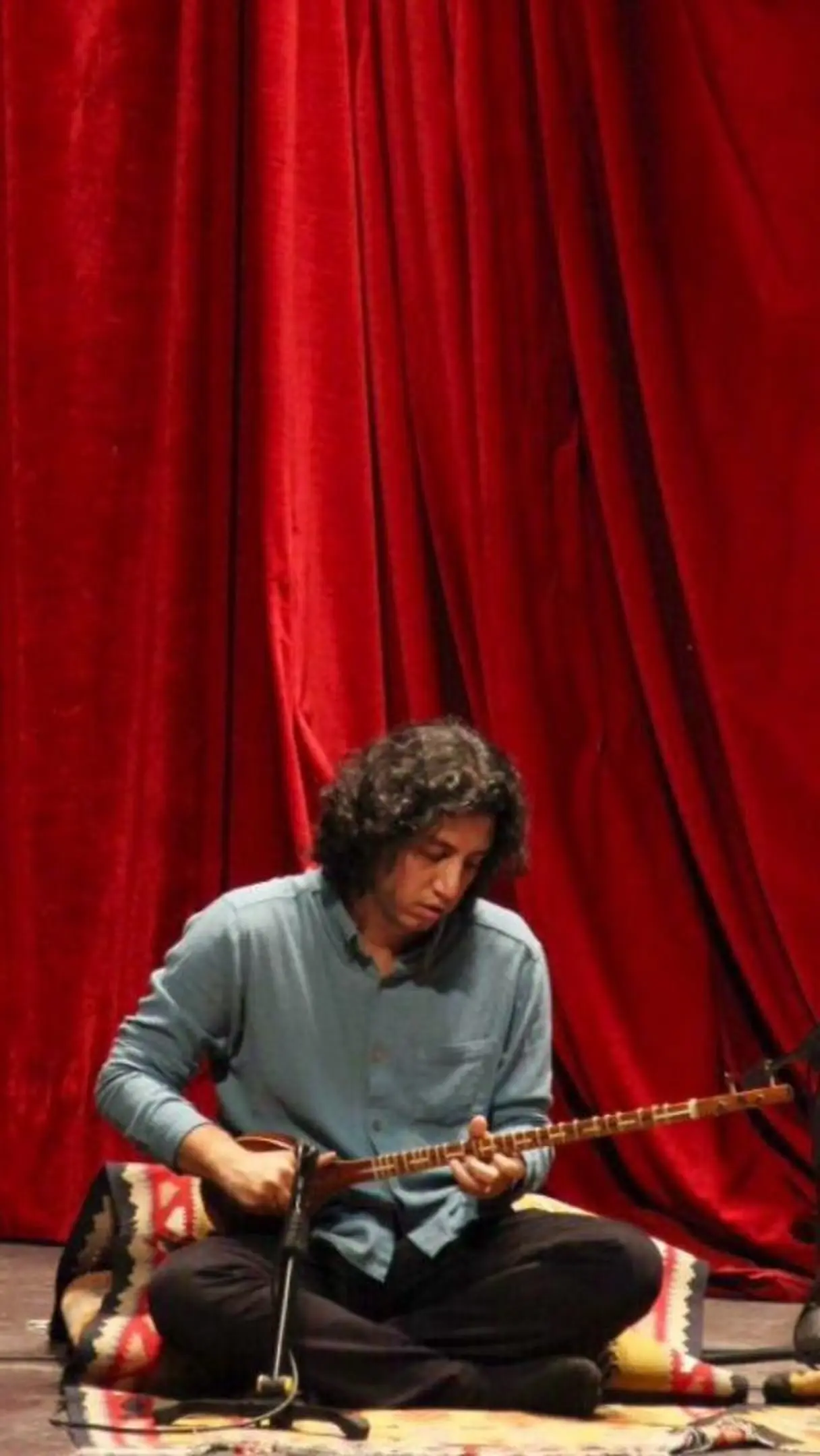
Siavash Karami performing on the setar before a red stage curtain.

Opening statement

Around three decades of performance and more than twenty years of teaching have shaped how I understand the radif. I approach musical knowledge through careful listening, practice, and attention to the way it is transmitted from teacher to student.
Siavash Karami
Three movementsRadifردیف

Performance, teaching, and study: one continuous practice.

01
PerformanceNavazandegiنوازندگی

Since 1996 · about 30 years

Around three decades of performance.

Around three decades of performance in Iranian classical music since 1996, centred on the setar and also including the tar, with a focus on the radif, improvisation, phrasing, and ensemble practice.

02
TransmissionAmuzeshآموزش

20+ years of teaching

More than twenty years of teaching

More than twenty years of teaching setar, tar, radif, and repertoire, grounded in careful listening, repetition, and gradual correction between teacher and student.

03
StudyPazhuheshپژوهش

M.A. thesis · 2021

Research grounded in close listening.

For my M.A. thesis, I fully transcribed and notated every track on the album Setar Performances by Abolhasan Saba, and then analysed the performances in terms of technique, phrasing, ornamentation, and musical structure.

Selected recordingsAsarآثار

Two selected recordings from my work

Dar Baharan and Ghoroub / Sunset reflect two parts of my experience in ensemble performance, artistic direction, and the recording of Iranian classical music.

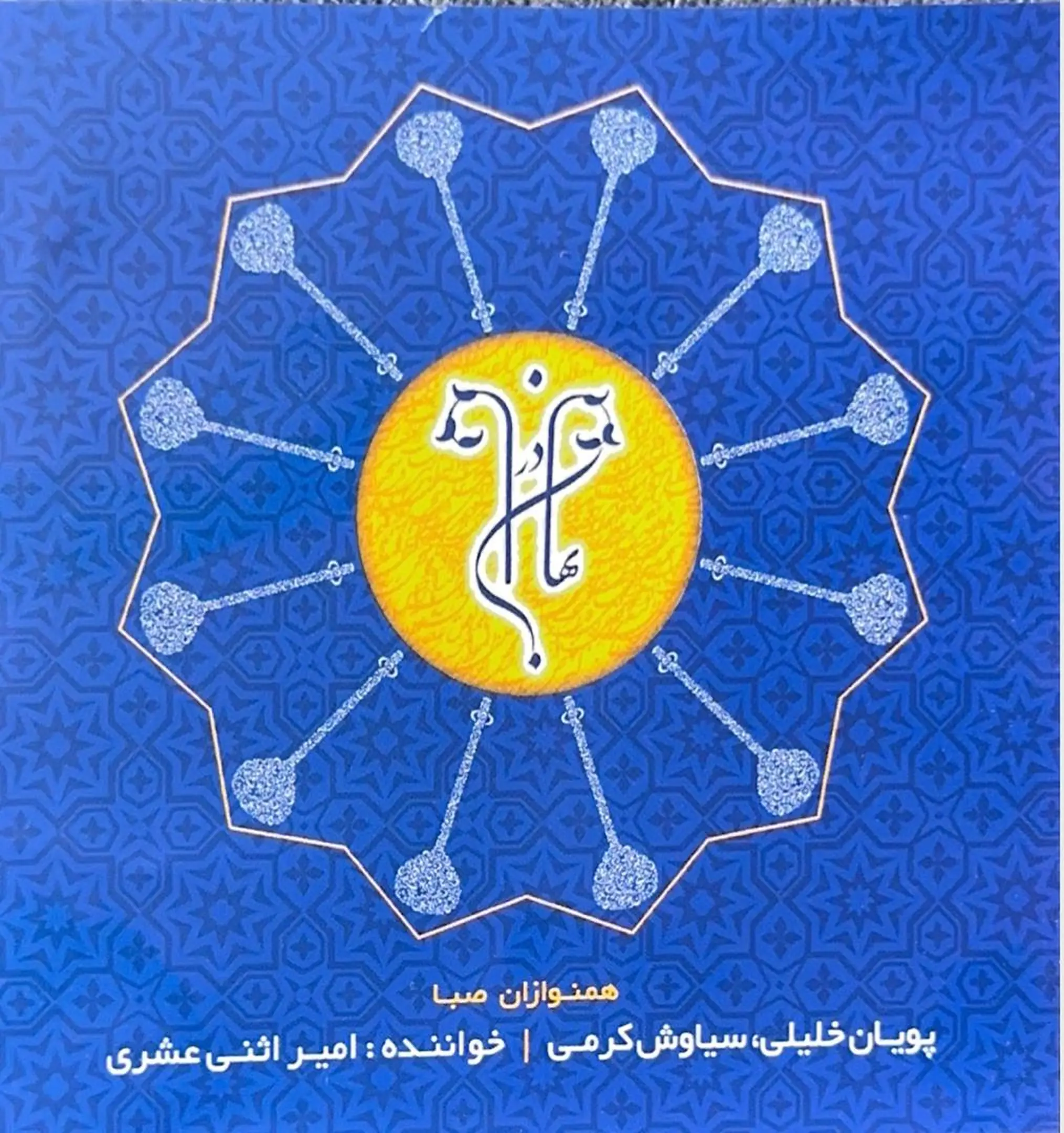
Cover of the album Dar Baharan (2021).

Dar Baharan

در بهاران

2021Iranian classical music album

Dar Baharan is an Iranian classical music album jointly directed by Pouyan Khalili and Siavash Karami, performed by the Saba Setar Ensemble, with vocals by Amir Asnaashari.

Credits

Role
Joint artistic direction and performance
Collaborators
Pouyan Khalili and vocalist Amir Asnaashari
Ensemble
Saba Setar Ensemble

Digital re-release coming soon via CD Baby

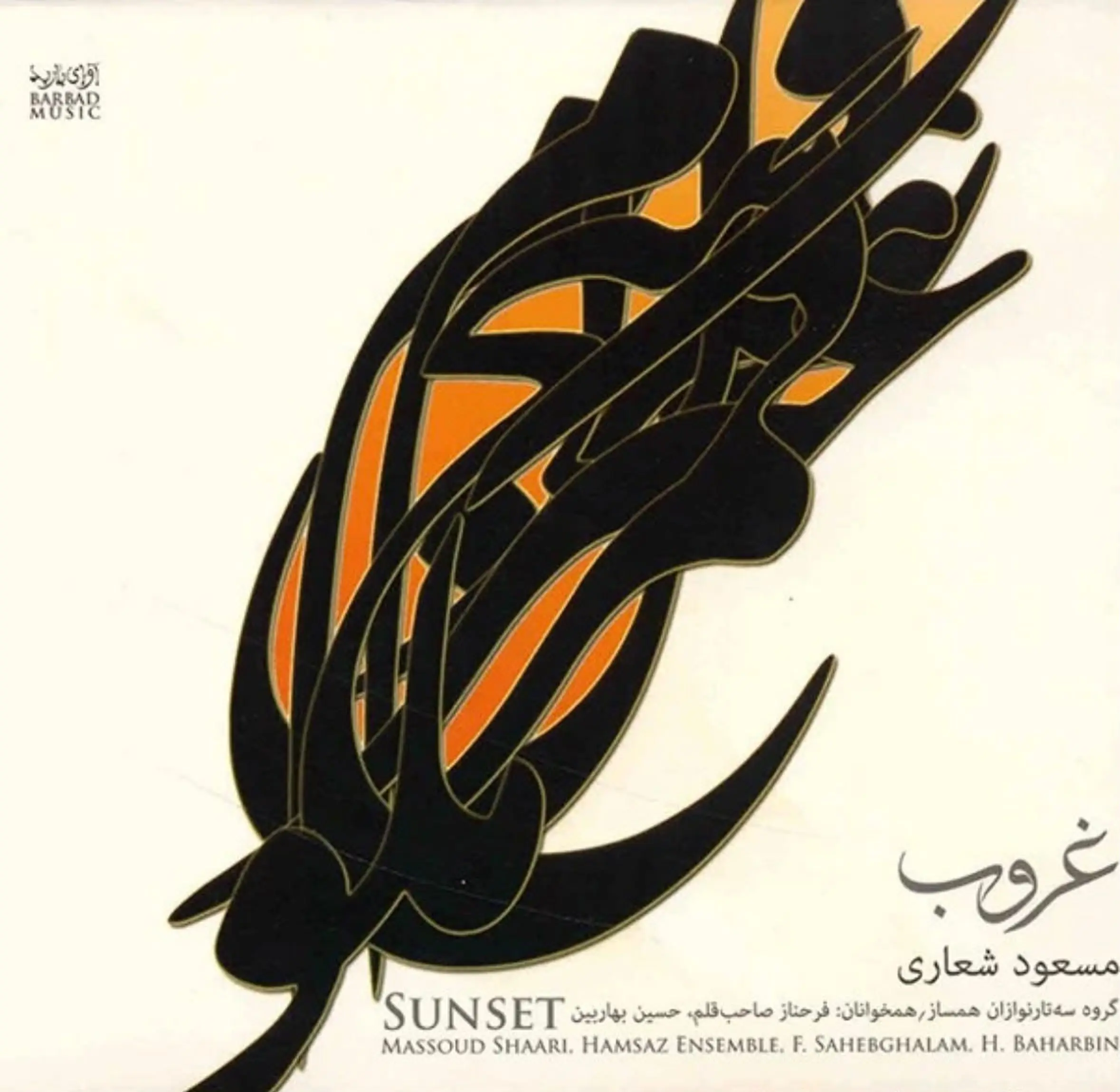
Cover of the album Ghoroub / Sunset by Massoud Shaari (2011).

Ghoroub / Sunset

غروب

2011Iranian classical setar-ensemble recording

Ghoroub / Sunset is an album composed by Massoud Shaari and performed by the Hamsaz Ensemble under his direction. I appear on the recording as a setar performer and ensemble member.

Credits

Ensemble director and composer
Massoud Shaari
Siavash Karami
Setar performer & ensemble musician
Ensemble
Hamsaz Ensemble
Master's thesisSabaصبا

An Analytical Study of Abolhasan Saba's Improvisations: A Case Study of the Album “Setar Performances by Abolhasan Saba”

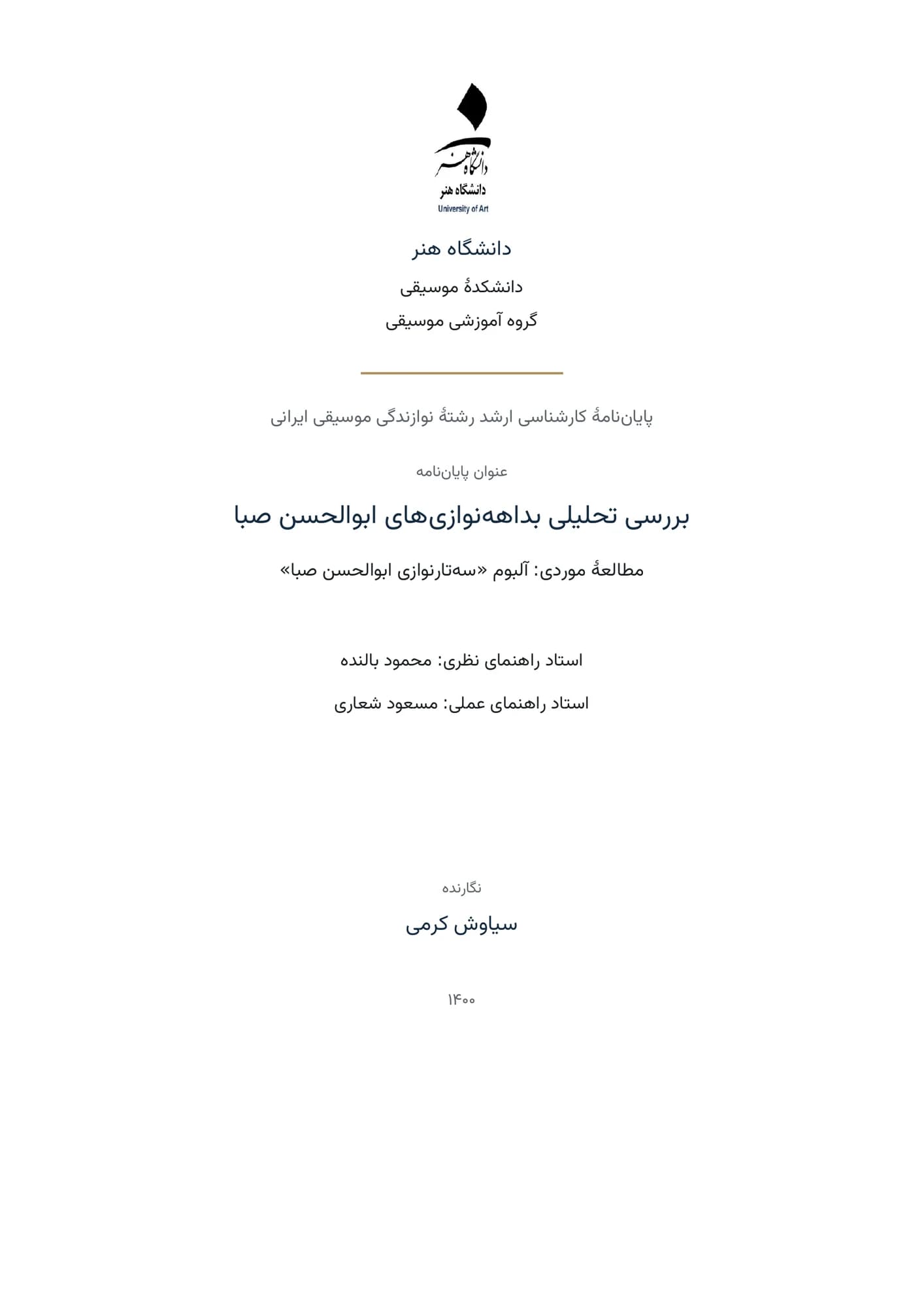
Title page of Siavash Karami's master's thesis at the University of Art.
Persian title page from the bilingual thesis title-pages document.

بررسی تحلیلی بداهه‌نوازی‌های ابوالحسن صبا؛ مطالعهٔ موردی: آلبوم «سه‌تارنوازی ابوالحسن صبا»

Degree
M.A. in Iranian Music Performance
Institution
University of Art, Tehran, Faculty of Music
Completion
September 2021
Theoretical supervisor
Mahmoud Balandeh
Practical supervisor
Massoud Shaari

For this thesis, the entire album Setar Performances by Abolhasan Saba was transcribed and notated in full. The performances were then analysed in terms of right- and left-hand technique, mezrab patterns, ornamentation, phrasing, musical structure, and the influence of singing. The material includes Dastgah-e Shur, Avaz-e Abu Ata, Avaz-e Afshari, and Dastgah-e Mahur.

The complete transcription and notation of the album made it possible to examine performance details systematically—details that notation without performance analysis, or verbal description alone, cannot fully preserve. The study established a practical basis for my continuing work on performance, transmission, and interpretation in the Iranian radif.

Technique glossary

A selection of terms from the thesis.

  • Right mezrabمضراب راست
  • Left mezrabمضراب چپ
  • Rizریز
  • Darabدراب
  • Esharehاشاره
  • Takiyehتکیه
  • Kandanکندن
  • Sineh-malسینه‌مال
Selected mediaTamashaتماشا

Selected performances and archival images

A short selection of performances and ensemble work. The full photo archive and selected videos are available on the Media page.

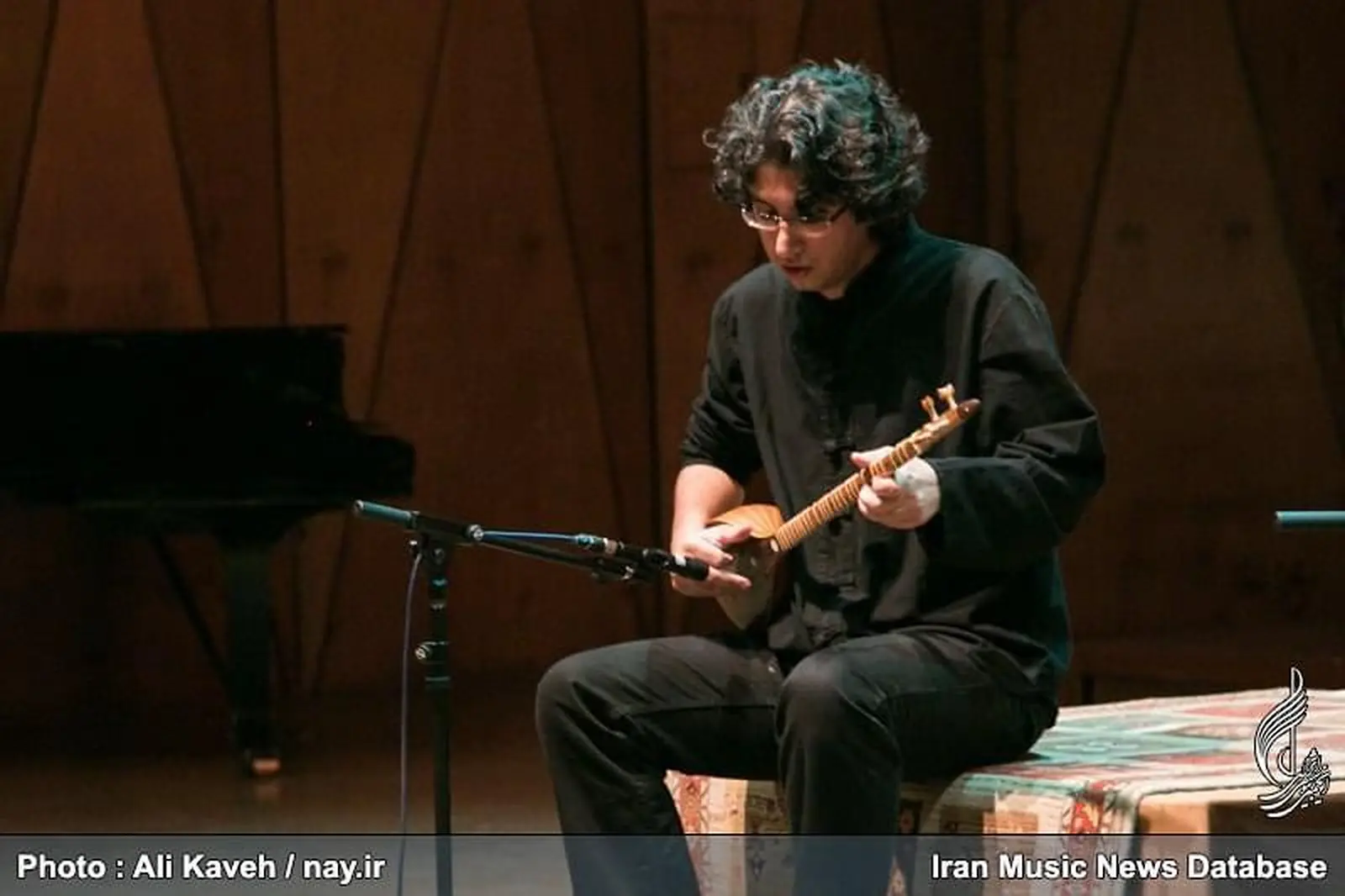
Siavash Karami in solo setar performance.
Solo setar performance.Photo: Ali Kaveh / nay.ir

Setar · solo performance

Archival photograph.

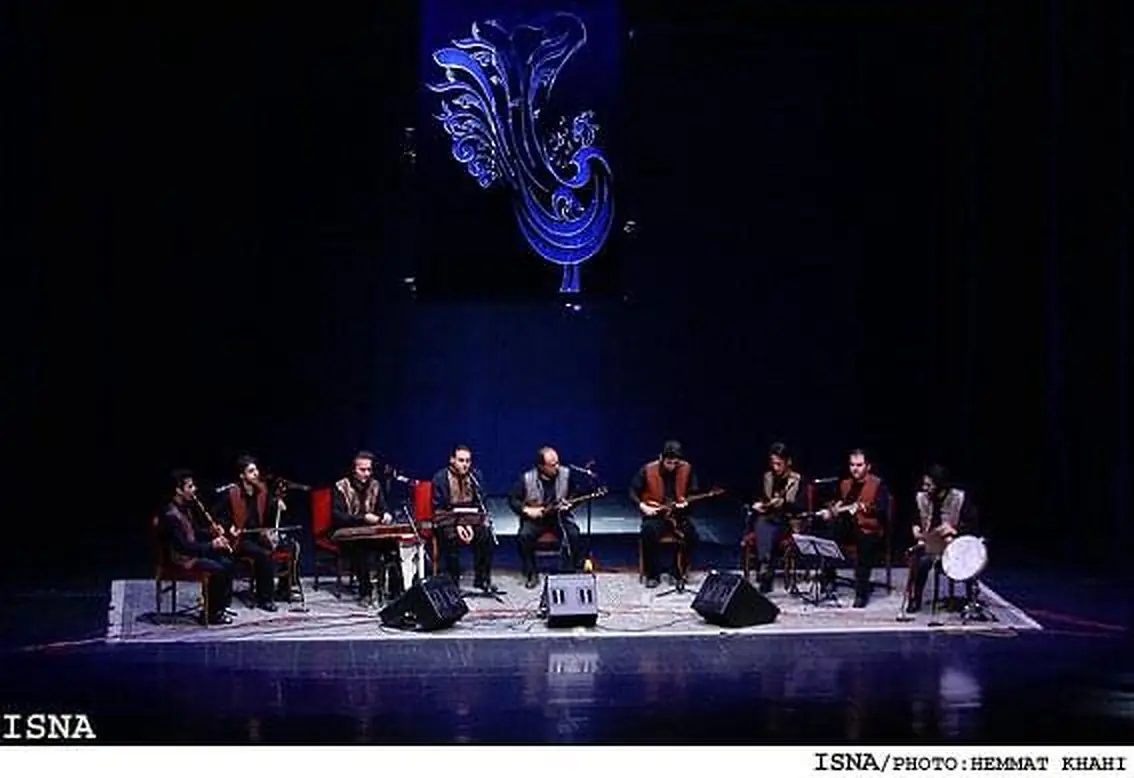
The Mahtab Ensemble performing on stage.
Mahtab Ensemble in performance.Source: ISNA

Mahtab Ensemble

Mahtab Ensemble in performance; source: ISNA.

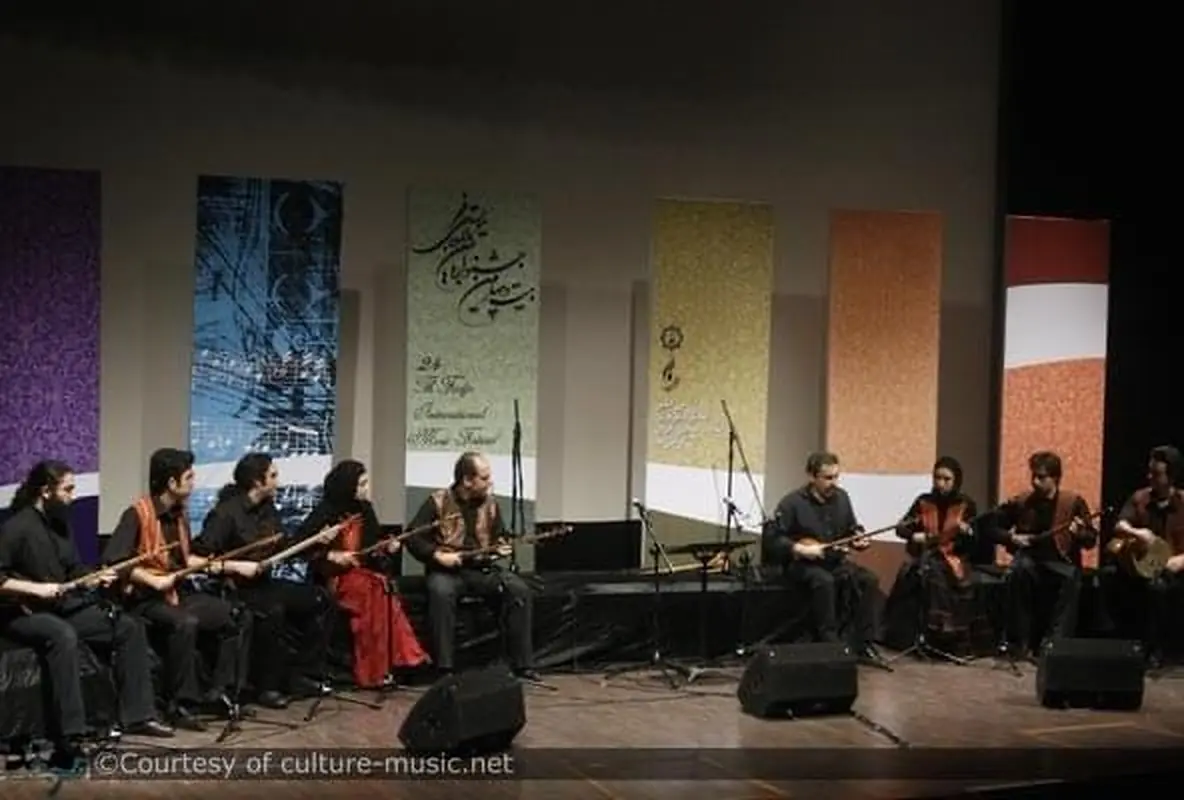
Ensemble performance on stage.
Ensemble performance.Source: culture-music.net

Ensemble performance

Archival photograph.

No video plays automatically. YouTube players load only after the visitor chooses to play a selected performance.

View the full archive

Performance, teaching, and close listening are the foundations of my work on the radif. Recorded examples and detailed analysis connect practical musicianship with research.

Performance, teaching, and close listening are the foundations of my work on the radif. Recorded examples and detailed analysis connect practical musicianship with research.